
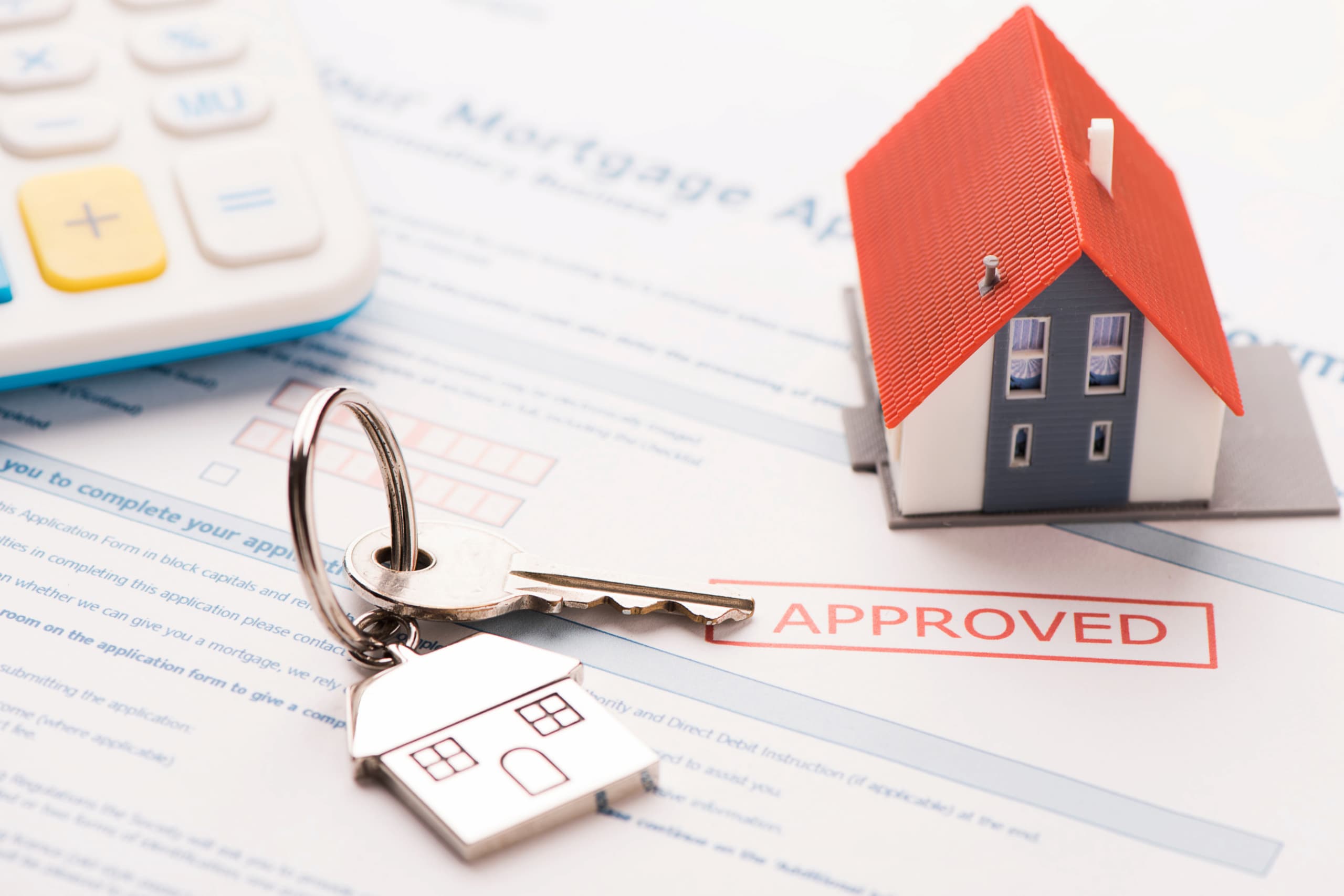
Thinking about how to buy a house after renting? You’re in the right place. This guide breaks the process into clear, manageable steps, outlining what to expect, how to time your lease, and how to make smart financial decisions so you don’t end up paying rent and a mortgage simultaneously.
Why Buying a Home After Renting Makes Sense
Advantages of transitioning from renting to owning
- Build equity instead of only paying rent. Each payment chips away at your loan and grows your ownership.
- Predictable payments with a fixed-rate mortgage. No annual “surprise” rent hikes.
- Long-term stability. A home can be both a place to live and a long-term financial asset.
Common fears that hold renters back
- “Debt scares me.” A mortgage is debt, yes, but it’s typically lower-cost debt with a long-term payoff.
- “I need 20% down, right?” Not always. Many first-time buyers use a down payment of 3–5%, and some qualify for 0% options.
- “The process seems complicated.” It’s a lot of steps, not hard steps. With a plan, it’s manageable.
Step-by-Step Guide to the Home Buying Process After Renting
Find out if you’re ready to buy your first home — start your pre-approval here.
Step 1 — Evaluate your financial readiness
- Credit score: Many loan programs start around the mid-600s, some lower. Higher scores can lead to improved rates and terms.
- Debt-to-income (DTI): Lenders often look for a DTI at or below ~43% (varies by program).
- Budget: List current rent, savings, and a comfortable monthly payment. A quick chat with a lender will help determine a price range.
Step 2 — Understand down payment requirements
- Minimums by loan type:
- Conventional: often 3–5% down
- FHA: as low as 3.5% down
- VA: 0% for eligible veterans/active duty
- Help for first-time buyers: Down-payment/closing-cost assistance may be available; ask us and your lender about local programs.
- Gift funds & grants: Many programs allow family gifts; some buyers stack grants to lower cash-to-close.
Step 3 — Choose the right mortgage option for renters
- Fixed-rate vs variable (ARM): Fixed = steady payment; ARM can start lower and adjust later. Choose based on how long you plan to keep the loan.
- FHA vs Conventional: FHA can be flexible on credit; Conventional can be better for mortgage insurance and long-term costs.
- Thin “buying history”? Solid rent payment history can help—ask your lender how they document it.
Step 4 — Get pre-approved (not just pre-qualified)
What documents are needed to buy a house?
W-2s or 1099s, recent pay stubs, last 2 months of bank statements, photo ID, two years of tax returns (varies), and info on debts/assets.
Why pre-approval matters: It verifies your price range and strengthens your offers.
Key Professionals You’ll Work With
Mortgage broker vs real estate agent: what’s the difference?
- Mortgage broker/loan officer: Reviews your finances, matches loan programs, handles your pre-approval and underwriting to closing.
- Real estate agent: Finds properties, analyzes comps, writes/offers terms, negotiates, coordinates inspections/appraisal/title, and keeps timelines tight.
- Who pays who: Agent compensation and lender fees vary by market and agreement; we’ll explain current local practices and all costs up front.
Timing Your Lease Exit: Avoid Paying Rent and a Mortgage at the Same Time
Strategies to time your purchase
- Lease-to-close timeline: Many financed closings take ~30–45 days from offer to keys. Count backward from the lease end.
- Talk to your landlord early: Ask about month-to-month, prorated rent, or a flexible move-out date.
- Use “rent-back” or use-and-occupancy (seller side): If you sell first and buy next, we can negotiate time in the home after closing so you only move once.
What if you want to buy the house you’re renting?
- Approach: Ask your landlord if they’d consider selling. Get pre-approved before you start numbers talk.
- Pros: No public showings, flexible timing, you already know the property.
- Cons: Limited market testing; you’ll need solid comps to keep the price fair.
- Tip: We’ll run comps and help with valuation/terms, so it stays friendly—and fair.
Understanding Home Buying Costs
Who pays closing costs when buying?
- Typical buyer costs: Appraisal, inspection(s), lender/title fees, prepaids (taxes/insurance), recording—often ~2–4% of the purchase price (varies).
- Can the seller help? Sometimes. We can request a seller credit to offset your closing costs, depending on the loan program and market conditions.
Hidden costs to be aware of
- Upfront items: Home inspection(s), appraisal (often paid before closing), and the deposit/escrow.
- Ongoing: Property taxes, homeowners’ insurance (and HOA, if applicable), plus an emergency fund for maintenance.
After the Purchase: Transitioning to Ownership
Your first month as a homeowner
- Money: Your first full mortgage payment is usually due the second month after closing.
- Setup: Utilities, internet, locks rekeyed, mail forwarding, and, if applicable, HOA set-up.
- Maintenance: Start a simple seasonal checklist; it saves money long term.
Property management tips for investment-minded buyers
Buying a multi-family or planning a house hack?
- Screen tenants (application, credit/background, references).
- Document everything (move-in checklist, photos, written lease).
- Consider a property manager if you prefer hands-off operations.
The Lease Exit Strategy Framework (Use This to Avoid Overlap)
- Check your lease today. Renewal dates, notice requirements, and fees.
- Get pre-approved next. Now you know a price range and a monthly payment.
- Pick your shopping window. Typical financed timeline: Offer → 30–45 days → Closing.
- Count backward from lease-end. Example: Lease ends June 30 → Aim to close by June 25 → Start touring by late May → Make offers in early June.
- Talk to your landlord. Ask about month-to-month or prorating the last month if you need a few extra days.
- Have a Plan B. Short-term storage + a week with family/a hotel is cheap insurance if dates slide.
- Lock in dates. Once your offer is accepted, we coordinate all milestones to ensure that move-out and move-in align.
Friendly next steps (pick one and go)
- Start your pre-approval. Get a clear price range and estimated monthly payment.
- Book a buyer’s consultation. We’ll outline your plan from lease to keys—no pressure.
- Browse homes. Single-family, multi-family, condos—see what fits your budget and timing.
Start My Pre-Approval • Schedule a Buyer’s Consultation • Browse Homes Near Me
If you’re figuring out how to buy a house after renting—from home buying process after renting to down payment requirements, fixed rate vs variable mortgage, who pays closing costs when buying, and what documents are needed to buy a house—we’ll keep it simple and on schedule. When you’re ready, we’ll connect you with a mortgage broker and guide you as your real estate agent, so your transition from renting to owning is organized and realistic.